Letter to the Editor: How to Make Your Sports Commentary Count
In a world where every headline is a headline, a well‑crafted letter to the editor can still be a powerful way to shape public opinion. Whether you’re a fan of sprinting, a coach, or a casual reader, the art of writing a concise, evidence‑based reply to a newspaper article can amplify your voice in the sports arena. Below are practical steps and real‑world examples—drawn from the recent European Athletics Championships—that show how to turn a simple note into a persuasive commentary.
Why Your Letter Matters
A letter to the editor is not just a polite response; it’s a public forum where ideas collide. For sports journalists and fans alike, it offers a chance to highlight overlooked achievements, challenge editorial biases, or celebrate breakthrough moments. When readers see a well‑argued letter, they’re more likely to engage, share, and even influence future coverage.
Case Study: Dina Asher‑Smith’s Championship Win

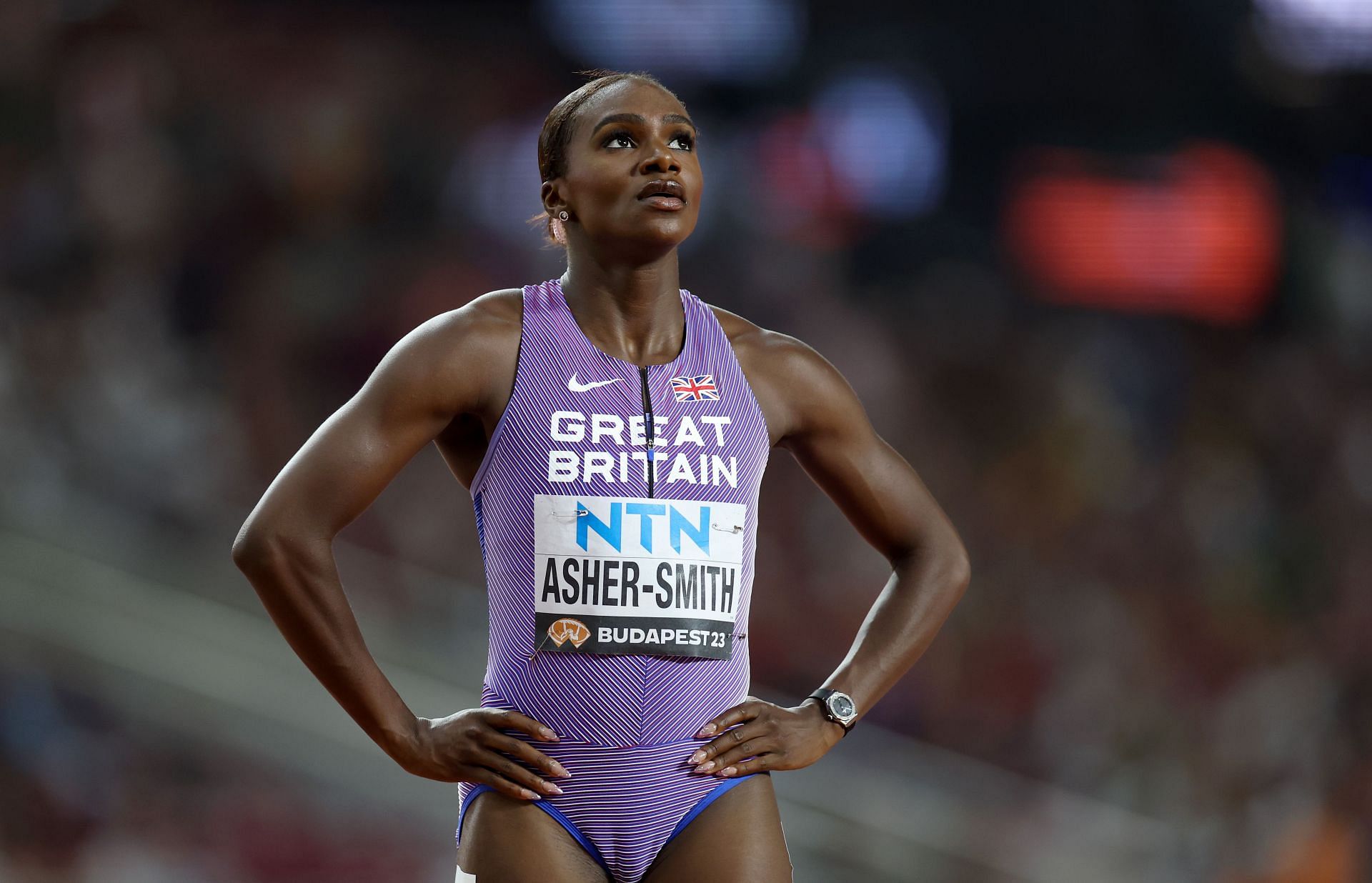
The European Athletics Championships delivered a headline moment: Dina Asher‑Smith’s triumphant 100‑metre sprint. A recent article praised her speed but glossed over the strategic training that got her there. A thoughtful letter could have highlighted her recovery plan, the role of her coaching team, and the broader context of women’s sprinting in the UK.
Crafting a Concise, Impactful Letter
- Pinpoint a Specific Angle – Instead of a generic congratulations, focus on one element: e.g., “Dina’s use of interval training set a new benchmark for British sprinters.”
- Provide Evidence – Cite statistics or quotes from reliable sources. “According to her coach, the new split‑time protocol improved her 60‑m dash by 0.12 seconds.”
- Stay Within Space Limits – Most publications allow 200–300 characters. Use every word; avoid filler.
- End with a Call to Action – Suggest a follow‑up interview, a feature on training methods, or a call for more funding for youth programs.
Common Pitfalls to Avoid
- Overloading the letter with personal anecdotes that detract from the main point.
- Using jargon that the average reader may not understand.
- Neglecting to proofread; a typo can undermine credibility.
Beyond the Track: Lessons from Dina’s Post‑Race Reflection

In a candid interview following her return from injury, Dina proclaimed, “I promise I tried my hardest.” That statement is a perfect springboard for a letter that discusses resilience, the mental toll of rehabilitation, and the importance of athlete mental health support. By tying a personal quote to broader systemic issues, you give your letter depth and relevance.
Next Steps for Aspiring Letter Writers
1. Read the Original Piece Carefully – Identify gaps or misstatements.
2. Research Background – Pull from official statistics, athlete interviews, and reputable sports science articles.
3. Draft, Edit, and Submit – Use the publication’s guidelines; most require a single paragraph and a signature.
4. Track Impact – If your letter sparks a response from the editor or other readers, note the conversation. This feedback loop sharpens future letters.
In sum, a letter to the editor is a micro‑platform for thoughtful discourse. Whether you’re celebrating Dina Asher‑Smith’s record‑breaking run or critiquing a sports story, the key is to combine solid evidence with a clear, actionable message. Your voice, when well‑articulated, can influence not only the narrative around a single athlete but also the broader conversation about sports culture and policy.
In a world where every headline is a headline, a well‑crafted letter to the editor can still be a powerful way to shape public opinion. Whether you’re a fan of sprinting, a coach, or a casual reader, the art of writing a concise, evidence‑based reply to a newspaper article can amplify your voice in the sports arena. Below are practical steps and real‑world examples—drawn from the recent European Athletics Championships—that show how to turn a simple note into a persuasive commentary.
Why Your Letter Matters
A letter to the editor is not just a polite response; it’s a public forum where ideas collide. For sports journalists and fans alike, it offers a chance to highlight overlooked achievements, challenge editorial biases, or celebrate breakthrough moments. When readers see a well‑argued letter, they’re more likely to engage, share, and even influence future coverage.
Case Study: Dina Asher‑Smith’s Championship Win
The European Athletics Championships delivered a headline moment: Dina Asher‑Smith’s triumphant 100‑metre sprint. A recent article praised her speed but glossed over the strategic training that got her there. A thoughtful letter could have highlighted her recovery plan, the role of her coaching team, and the broader context of women’s sprinting in the UK.
Crafting a Concise, Impactful Letter
- Pinpoint a Specific Angle – Instead of a generic congratulations, focus on one element: e.g., “Dina’s use of interval training set a new benchmark for British sprinters.”
- Provide Evidence – Cite statistics or quotes from reliable sources. “According to her coach, the new split‑time protocol improved her 60‑m dash by 0.12 seconds.”
- Stay Within Space Limits – Most publications allow 200–300 characters. Use every word; avoid filler.
- End with a Call to Action – Suggest a follow‑up interview, a feature on training methods, or a call for more funding for youth programs.
Common Pitfalls to Avoid
- Overloading the letter with personal anecdotes that detract from the main point.
- Using jargon that the average reader may not understand.
- Neglecting to proofread; a typo can undermine credibility.
Beyond the Track: Lessons from Dina’s Post‑Race Reflection
In a candid interview following her return from injury, Dina proclaimed, “I promise I tried my hardest.” That statement is a perfect springboard for a letter that discusses resilience, the mental toll of rehabilitation, and the importance of athlete mental health support. By tying a personal quote to broader systemic issues, you give your letter depth and relevance.
Next Steps for Aspiring Letter Writers
1. Read the Original Piece Carefully – Identify gaps or misstatements.
2. Research Background – Pull from official statistics, athlete interviews, and reputable sports science articles.
3. Draft, Edit, and Submit – Use the publication’s guidelines; most require a single paragraph and a signature.
4. Track Impact – If your letter sparks a response from the editor or other readers, note the conversation. This feedback loop sharpens future letters.
In sum, a letter to the editor is a micro‑platform for thoughtful discourse. Whether you’re celebrating Dina Asher‑Smith’s record‑breaking run or critiquing a sports story, the key is to combine solid evidence with a clear, actionable message. Your voice, when well‑articulated, can influence not only the narrative around a single athlete but also the broader conversation about sports culture and policy.
"How Realistic Is It To Be In The Top Three In The World And Not Be
"How realistic is it to be in the top three in the world and not be ...