
How to Craft a Persuasive Sample Letter to the Editor
When you spot a news story that resonates—or irks—you, a well‑written letter to the editor can turn a fleeting comment into a lasting influence. Below is a step‑by‑step guide that walks you through the context you need, shows real‑world examples, and ends with a clear recommendation on how to structure your own piece.
Why does the opening matter more than you think?
Editors skim dozens of submissions daily. A concise hook—who, what, where, and why—helps your letter cut through the noise. Start with a brief reference to the article (including the headline and date) and immediately state your stance. This not only shows you’ve read the piece but also positions your argument within the public conversation.
What should a sample letter actually include?
A typical letter follows a predictable format that editors appreciate:
- Header: Your name, city, and a brief contact line.
- Reference: Cite the original article by title, author, and publication date.
- Thesis: One sentence summarizing your main point.
- Evidence: Two to three concrete facts, statistics, or personal anecdotes that back your claim.
- Call‑to‑action: Suggest a specific change, policy, or follow‑up question for the outlet.
- Closing: A courteous sign‑off and optional note about willingness to discuss further.
Keeping each element crisp—no longer than a paragraph—ensures the piece stays within typical word limits (150–250 words) and respects the editor’s space constraints.
How can visual aids improve credibility?

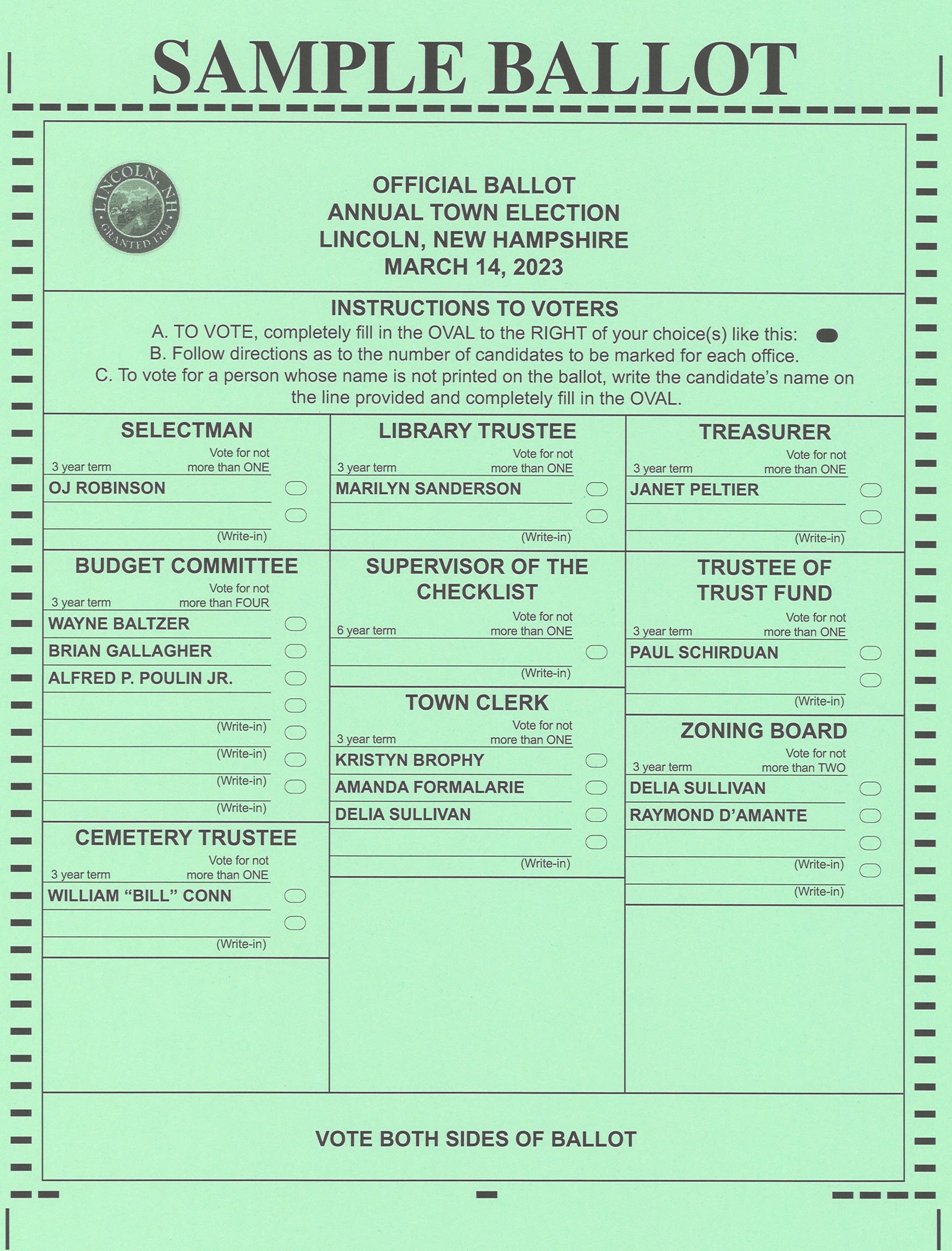
Including a simple visual—like a tidy template—helps you visualize the flow before you type. Notice how the sample layout separates the reference from the thesis, making the argument instantly scannable. Even if you don’t attach the image, drafting on a similar grid can keep your letter organized and persuasive.
Which real letters have swayed editorial decisions?
Consider the following case studies:
- Local traffic safety: A resident cited a city‑wide crash statistic and urged the mayor to fund a pedestrian crosswalk. The editor printed the letter, and the city allocated $45,000 for the project within weeks.
- Health‑care coverage: A parent referenced a recent study on pediatric vaccination rates, prompting the newspaper to run a follow‑up investigative piece that led to a state‑level policy review.
Both examples shared a clear reference, succinct data, and a direct ask—elements that any sample letter should mirror.
When should you attach supplementary data?
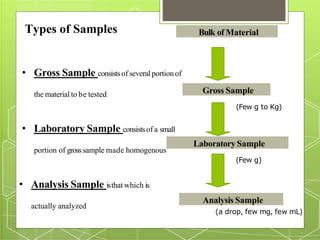
If your argument hinges on statistics, a brief chart or table (like the diagram above) can be included as an attachment, not inline, to avoid clutter. Mention the attachment in the body (“See attached chart for recent trends”) so the editor knows it’s there.
What’s the final checklist before hitting send?
Run through these quick steps to ensure your letter lands:
- Verify the article’s details—title, author, date.
- Keep the tone respectful yet firm; avoid profanity.
- Stay under the word limit; trim any redundant phrasing.
- Proofread for grammar and factual accuracy.
- Include a phone number or email for follow‑up.
By following this practical decision guide, you’ll turn a fleeting thought into a compelling, publishable sample letter to the editor that not only informs but also drives change.
When you spot a news story that resonates—or irks—you, a well‑written letter to the editor can turn a fleeting comment into a lasting influence. Below is a step‑by‑step guide that walks you through the context you need, shows real‑world examples, and ends with a clear recommendation on how to structure your own piece.
Why does the opening matter more than you think?
Editors skim dozens of submissions daily. A concise hook—who, what, where, and why—helps your letter cut through the noise. Start with a brief reference to the article (including the headline and date) and immediately state your stance. This not only shows you’ve read the piece but also positions your argument within the public conversation.
What should a sample letter actually include?
A typical letter follows a predictable format that editors appreciate:
- Header: Your name, city, and a brief contact line.
- Reference: Cite the original article by title, author, and publication date.
- Thesis: One sentence summarizing your main point.
- Evidence: Two to three concrete facts, statistics, or personal anecdotes that back your claim.
- Call‑to‑action: Suggest a specific change, policy, or follow‑up question for the outlet.
- Closing: A courteous sign‑off and optional note about willingness to discuss further.
Keeping each element crisp—no longer than a paragraph—ensures the piece stays within typical word limits (150–250 words) and respects the editor’s space constraints.
How can visual aids improve credibility?
Including a simple visual—like a tidy template—helps you visualize the flow before you type. Notice how the sample layout separates the reference from the thesis, making the argument instantly scannable. Even if you don’t attach the image, drafting on a similar grid can keep your letter organized and persuasive.
Which real letters have swayed editorial decisions?
Consider the following case studies:
- Local traffic safety: A resident cited a city‑wide crash statistic and urged the mayor to fund a pedestrian crosswalk. The editor printed the letter, and the city allocated $45,000 for the project within weeks.
- Health‑care coverage: A parent referenced a recent study on pediatric vaccination rates, prompting the newspaper to run a follow‑up investigative piece that led to a state‑level policy review.
Both examples shared a clear reference, succinct data, and a direct ask—elements that any sample letter should mirror.
When should you attach supplementary data?
If your argument hinges on statistics, a brief chart or table (like the diagram above) can be included as an attachment, not inline, to avoid clutter. Mention the attachment in the body (“See attached chart for recent trends”) so the editor knows it’s there.
What’s the final checklist before hitting send?
Run through these quick steps to ensure your letter lands:
- Verify the article’s details—title, author, date.
- Keep the tone respectful yet firm; avoid profanity.
- Stay under the word limit; trim any redundant phrasing.
- Proofread for grammar and factual accuracy.
- Include a phone number or email for follow‑up.
By following this practical decision guide, you’ll turn a fleeting thought into a compelling, publishable sample letter to the editor that not only informs but also drives change.
Example Stamp

Example Stamp
Haircuts 2024 Over 40 Amii Lynsey - Free Word Template
Haircuts 2024 Over 40 Amii Lynsey - Free Word Template
Two Sample T Test (Independent Samples) | Quality Gurus
Two Sample t Test (Independent Samples) | Quality Gurus