How to Edit a Letter Online Without the Usual Slip‑Ups
When you’ve got a deadline looming and a letter that needs polishing, the temptation to rush through a digital editor is strong. But even the most seasoned busy professional can fall into the same pitfalls—over‑formatting, missing tone cues, or forgetting a simple sign‑off. Below are the most common mistakes people make when they edit a letter online, plus smarter alternatives that keep your message crisp and your time well spent.
Skipping the Preview Step
Most online editors update in real time, which feels like a safety net. Yet without hitting the preview button you can’t see how line breaks, fonts, or bullet points actually render in the recipient’s inbox. A quick “view as email” check catches misplaced margins and broken links before you click send.
Over‑Formatting for Style
Bold, italics, and colored text can highlight key points, but layering too many styles makes the letter look chaotic. Stick to one emphasis per paragraph—if you need to stress a deadline, a single bold line works better than a rainbow of fonts. Simplicity translates to professionalism.
Neglecting Plain‑Language Tone
Online editors often suggest sophisticated synonyms that sound impressive but can obscure meaning. Replace “utilize” with “use” and “subsequent” with “next” to keep the tone conversational. A clear, direct voice reduces back‑and‑forth clarifications, saving you time.
Relying on Automatic Spell‑Check Alone
Auto‑correct catches most typos, but it can miss homophones or context‑specific errors (“their” vs. “there”). Read the letter aloud or run a quick second‑pass with a dedicated proofreading tool. One extra glance can prevent embarrassing misunderstandings.
Missing the Signature Spot
It’s easy to overlook the closing line when you’re focused on the body text. Add a placeholder for your signature—whether it’s a typed name, a digital stamp, or an inserted image—before you finalize the edit. This habit ensures your letter ends with the appropriate level of formality.
Visual Cue: Adding a Touch of Elegance
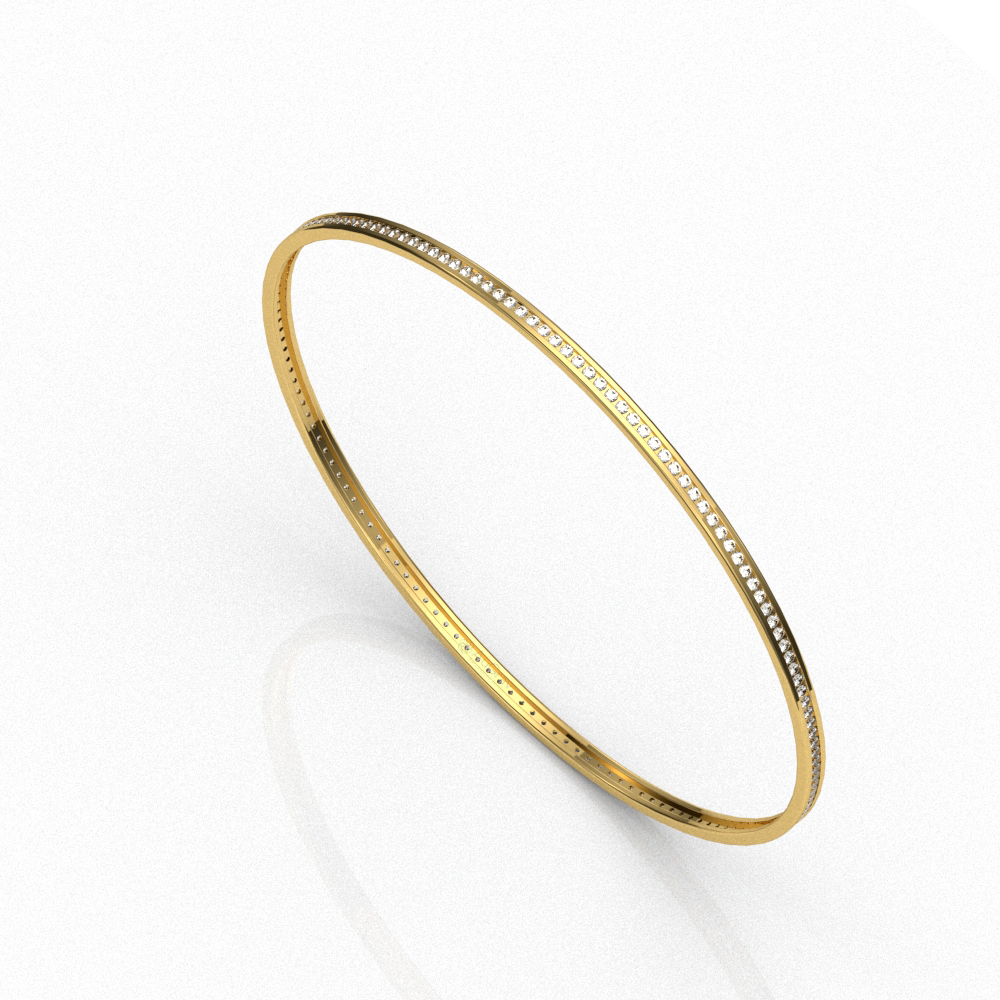
The single line diamond bangle is a reminder that a modest accent can transform a plain piece into something memorable. In the same way, a single, well‑chosen edit—like tightening a sentence or fixing a stray comma—can elevate the entire letter without overcomplicating it.
Smart Alternatives to Common Errors
- Template Checklists: Keep a short checklist (tone, formatting, preview, signature) to run through each time you edit.
- Keyboard Shortcuts: Learn Ctrl + Shift + V for pasting plain text, preventing hidden formatting from slipping in.
- Collaboration Tools: Use comment features in platforms like Google Docs to get a second set of eyes without altering the main draft.
- One‑Sentence Rule: After each paragraph, ask, “Can I say this in one sentence?” If yes, rewrite; if not, keep as is.
By sidestepping the usual digital edit traps and embracing these streamlined practices, you’ll produce letters that are not only error‑free but also convey confidence—no matter how tight the schedule.
When you’ve got a deadline looming and a letter that needs polishing, the temptation to rush through a digital editor is strong. But even the most seasoned busy professional can fall into the same pitfalls—over‑formatting, missing tone cues, or forgetting a simple sign‑off. Below are the most common mistakes people make when they edit a letter online, plus smarter alternatives that keep your message crisp and your time well spent.
Skipping the Preview Step
Most online editors update in real time, which feels like a safety net. Yet without hitting the preview button you can’t see how line breaks, fonts, or bullet points actually render in the recipient’s inbox. A quick “view as email” check catches misplaced margins and broken links before you click send.
Over‑Formatting for Style
Bold, italics, and colored text can highlight key points, but layering too many styles makes the letter look chaotic. Stick to one emphasis per paragraph—if you need to stress a deadline, a single bold line works better than a rainbow of fonts. Simplicity translates to professionalism.
Neglecting Plain‑Language Tone
Online editors often suggest sophisticated synonyms that sound impressive but can obscure meaning. Replace “utilize” with “use” and “subsequent” with “next” to keep the tone conversational. A clear, direct voice reduces back‑and‑forth clarifications, saving you time.
Relying on Automatic Spell‑Check Alone
Auto‑correct catches most typos, but it can miss homophones or context‑specific errors (“their” vs. “there”). Read the letter aloud or run a quick second‑pass with a dedicated proofreading tool. One extra glance can prevent embarrassing misunderstandings.
Missing the Signature Spot
It’s easy to overlook the closing line when you’re focused on the body text. Add a placeholder for your signature—whether it’s a typed name, a digital stamp, or an inserted image—before you finalize the edit. This habit ensures your letter ends with the appropriate level of formality.
Visual Cue: Adding a Touch of Elegance
The single line diamond bangle is a reminder that a modest accent can transform a plain piece into something memorable. In the same way, a single, well‑chosen edit—like tightening a sentence or fixing a stray comma—can elevate the entire letter without overcomplicating it.
Smart Alternatives to Common Errors
- Template Checklists: Keep a short checklist (tone, formatting, preview, signature) to run through each time you edit.
- Keyboard Shortcuts: Learn Ctrl + Shift + V for pasting plain text, preventing hidden formatting from slipping in.
- Collaboration Tools: Use comment features in platforms like Google Docs to get a second set of eyes without altering the main draft.
- One‑Sentence Rule: After each paragraph, ask, “Can I say this in one sentence?” If yes, rewrite; if not, keep as is.
By sidestepping the usual digital edit traps and embracing these streamlined practices, you’ll produce letters that are not only error‑free but also convey confidence—no matter how tight the schedule.