When You Ask "Can You Edit a Letter for Me": Scenarios, Selection Criteria, and Real Benefits
If you’ve ever typed “can you edit a letter for me” into a search bar mid-draft, you’re not alone: the request has expanded far beyond college admissions essays and formal cover letters in recent years, as remote work, creator side hustles, and casual long-form digital correspondence have made polished writing a high-demand skill. Whether you’re drafting a tenant rights notice, a fan letter to a creator you admire, or a small business partnership proposal, the right edit can shift a message from confusing to compelling, or from overlooked to actioned. Below, we break down the most common use cases, how to pick the right editor for your needs, and the specific benefits of a targeted revision.
Most Common Scenarios for Letter Editing Requests
Letter editing requests fall into three broad, high-use categories, each with distinct needs:
- Formal professional correspondence: Cover letters, resignation notices, partnership proposals, and client follow-ups that require alignment with industry tone, correct formatting, and zero grammatical errors that could undermine credibility.
- Personal or sentimental letters: Long-form emails to distant family, friendship repair notes, or fan letters to public figures that need to balance authenticity with clarity, so the recipient doesn’t misinterpret your intent.
- Advocacy or community letters: Tenant rights notices, school board feedback, or letters to media producers that need to be persuasive, factual, and aligned with the goals of the group you’re representing.
Editing Letters for Children’s Media Feedback: A Real-World Example

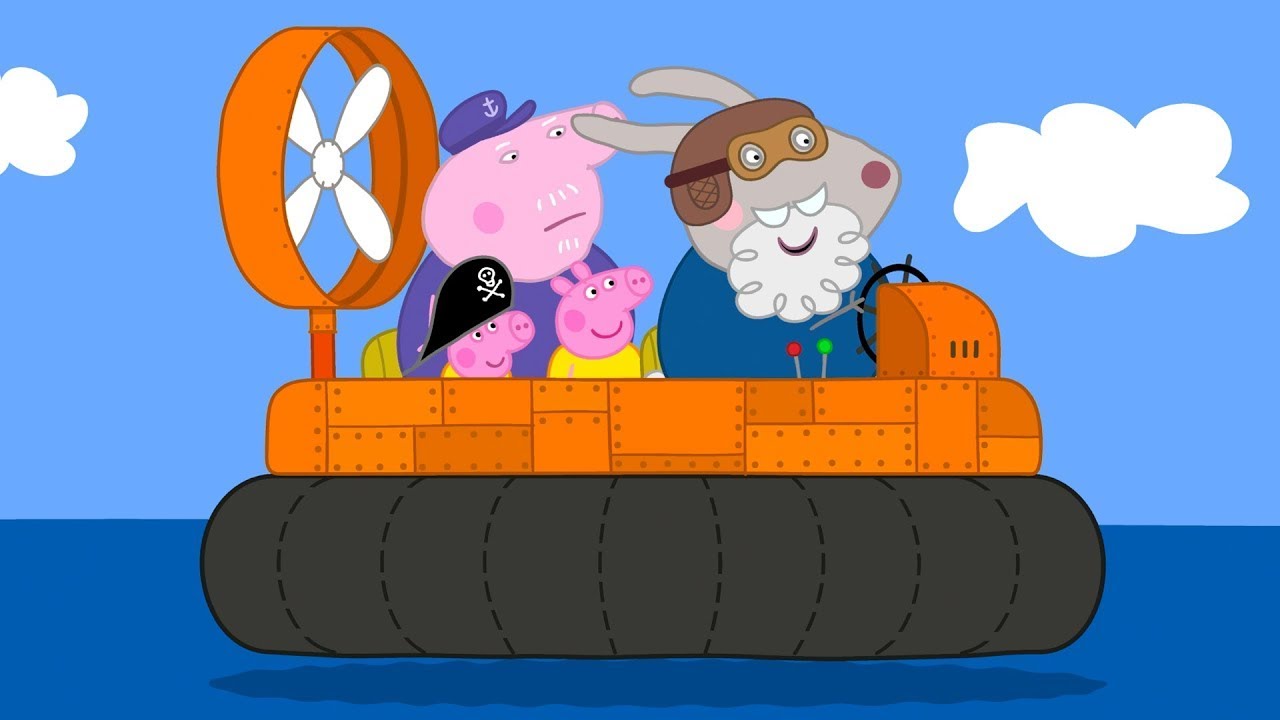
For trend-aware parents and caregivers, writing to children’s content producers is a growing use case for letter editing. A parent drafting a note to the Peppa Pig production team to request more neurodiverse character representation, or to praise the inclusive depiction of older characters like Grampy Rabbit in the “Hovercraft” episode, will benefit from an edit that keeps the tone respectful, cites specific content examples, and avoids overly emotional language that could lead the team to dismiss the feedback as unactionable. A targeted edit here doesn’t strip your personal voice—it frames your points so they’re easier for the recipient to act on, rather than scrolling past.
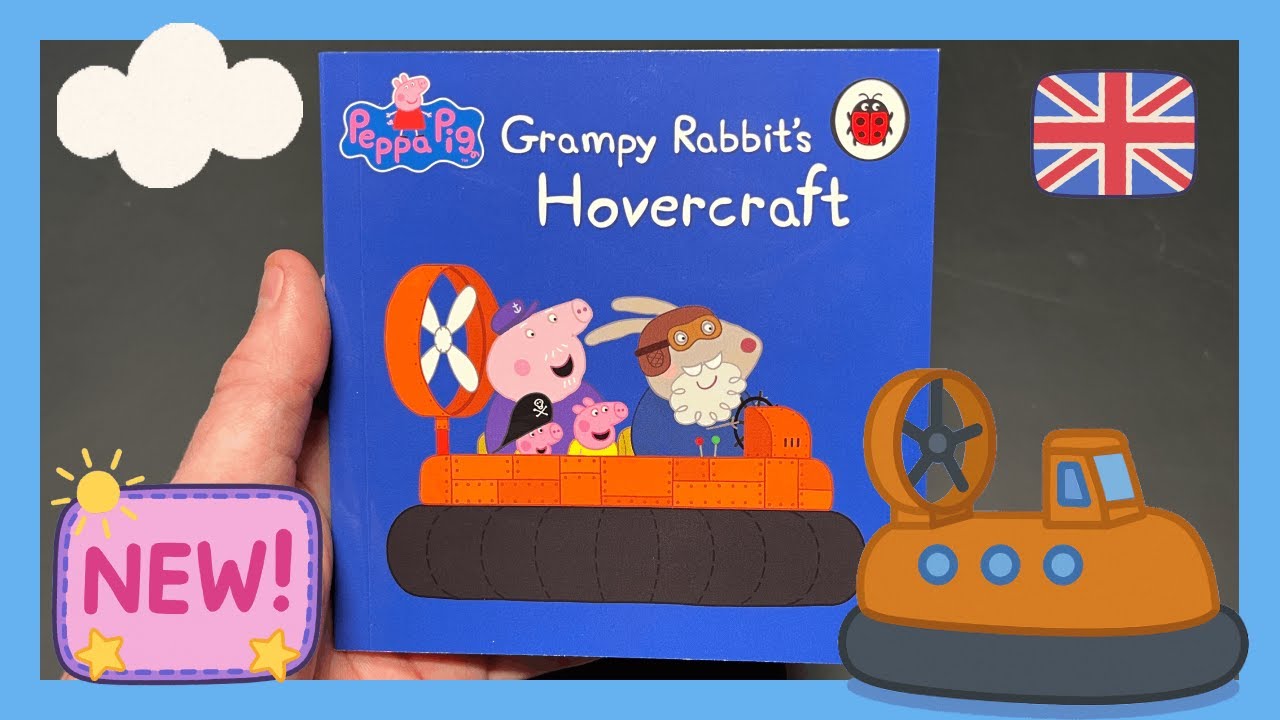
Even casual fan letters benefit from light editing: if you’re writing to the show’s social media team to share how your child with a mobility aid connected to Grampy Rabbit’s hovercraft storyline, an edit can help you highlight the specific, relatable moment that resonated, rather than burying that key detail. This makes your feedback far more likely to be shared with the content team, or even referenced in future episode development.
Selection Criteria for Choosing a Letter Editor
Not all editors are suited for every letter type, so matching your needs to the right service saves time and avoids misaligned revisions. Use these criteria to narrow your options:
- Niche experience: If you’re writing a legal tenant notice, choose an editor with experience in housing advocacy language, not a generalist who only edits college essays.
- Turnaround time: For time-sensitive letters (like a last-minute job application or a response to a pending eviction notice), confirm the editor can deliver revisions within your deadline, and ask if they offer rush service for an extra fee if needed.
- Voice preservation guarantees: Avoid editors who promise to “rewrite” your letter entirely. The best editors will ask for samples of your natural writing style upfront, and flag any changes that deviate from your tone before sending the final draft.
Specific Benefits of Targeted Letter Editing
The difference between a raw draft and an edited letter is rarely just “fixed grammar”—it’s a shift in how your message lands. For professional letters, a polished draft eliminates distracting errors that can lead hiring managers or clients to dismiss a request out of hand, even if the core content is strong. For personal letters, editing removes ambiguous phrasing that could lead to hurt feelings or miscommunication, especially when discussing sensitive topics like relationship boundaries or family conflict. For advocacy letters, targeted revisions help you lead with your core ask, rather than burying it under background context, making it far more likely the recipient will take the action you’re requesting.
When a Full Edit Isn’t Necessary
Not every “can you edit a letter for me” request requires a full, paid revision. If you’re drafting a quick, low-stakes note to a friend or family member, or a short internal work message, a quick proofread from a trusted peer is often enough. You also don’t need an editor for highly personal, raw letters (like a grief note to a loved one) where preserving your unpolished, authentic voice is more important than grammatical perfection. A formal edit is only worth the investment when the letter’s outcome matters: a job you want, a tenancy you’re trying to keep, or feedback you’re hoping will lead to tangible change.
If you’ve ever typed “can you edit a letter for me” into a search bar mid-draft, you’re not alone: the request has expanded far beyond college admissions essays and formal cover letters in recent years, as remote work, creator side hustles, and casual long-form digital correspondence have made polished writing a high-demand skill. Whether you’re drafting a tenant rights notice, a fan letter to a creator you admire, or a small business partnership proposal, the right edit can shift a message from confusing to compelling, or from overlooked to actioned. Below, we break down the most common use cases, how to pick the right editor for your needs, and the specific benefits of a targeted revision.
Most Common Scenarios for Letter Editing Requests
Letter editing requests fall into three broad, high-use categories, each with distinct needs:
- Formal professional correspondence: Cover letters, resignation notices, partnership proposals, and client follow-ups that require alignment with industry tone, correct formatting, and zero grammatical errors that could undermine credibility.
- Personal or sentimental letters: Long-form emails to distant family, friendship repair notes, or fan letters to public figures that need to balance authenticity with clarity, so the recipient doesn’t misinterpret your intent.
- Advocacy or community letters: Tenant rights notices, school board feedback, or letters to media producers that need to be persuasive, factual, and aligned with the goals of the group you’re representing.
Editing Letters for Children’s Media Feedback: A Real-World Example
For trend-aware parents and caregivers, writing to children’s content producers is a growing use case for letter editing. A parent drafting a note to the Peppa Pig production team to request more neurodiverse character representation, or to praise the inclusive depiction of older characters like Grampy Rabbit in the “Hovercraft” episode, will benefit from an edit that keeps the tone respectful, cites specific content examples, and avoids overly emotional language that could lead the team to dismiss the feedback as unactionable. A targeted edit here doesn’t strip your personal voice—it frames your points so they’re easier for the recipient to act on, rather than scrolling past.
Even casual fan letters benefit from light editing: if you’re writing to the show’s social media team to share how your child with a mobility aid connected to Grampy Rabbit’s hovercraft storyline, an edit can help you highlight the specific, relatable moment that resonated, rather than burying that key detail. This makes your feedback far more likely to be shared with the content team, or even referenced in future episode development.
Selection Criteria for Choosing a Letter Editor
Not all editors are suited for every letter type, so matching your needs to the right service saves time and avoids misaligned revisions. Use these criteria to narrow your options:
- Niche experience: If you’re writing a legal tenant notice, choose an editor with experience in housing advocacy language, not a generalist who only edits college essays.
- Turnaround time: For time-sensitive letters (like a last-minute job application or a response to a pending eviction notice), confirm the editor can deliver revisions within your deadline, and ask if they offer rush service for an extra fee if needed.
- Voice preservation guarantees: Avoid editors who promise to “rewrite” your letter entirely. The best editors will ask for samples of your natural writing style upfront, and flag any changes that deviate from your tone before sending the final draft.
Specific Benefits of Targeted Letter Editing
The difference between a raw draft and an edited letter is rarely just “fixed grammar”—it’s a shift in how your message lands. For professional letters, a polished draft eliminates distracting errors that can lead hiring managers or clients to dismiss a request out of hand, even if the core content is strong. For personal letters, editing removes ambiguous phrasing that could lead to hurt feelings or miscommunication, especially when discussing sensitive topics like relationship boundaries or family conflict. For advocacy letters, targeted revisions help you lead with your core ask, rather than burying it under background context, making it far more likely the recipient will take the action you’re requesting.
When a Full Edit Isn’t Necessary
Not every “can you edit a letter for me” request requires a full, paid revision. If you’re drafting a quick, low-stakes note to a friend or family member, or a short internal work message, a quick proofread from a trusted peer is often enough. You also don’t need an editor for highly personal, raw letters (like a grief note to a loved one) where preserving your unpolished, authentic voice is more important than grammatical perfection. A formal edit is only worth the investment when the letter’s outcome matters: a job you want, a tenancy you’re trying to keep, or feedback you’re hoping will lead to tangible change.
Hovercraft - Youtube Kids
hovercraft - Youtube Kids
Peppa Pig S05E41 Grampy Rabbit's Hovercraft - YouTube

Peppa Pig S05E41 Grampy Rabbit's Hovercraft - YouTube
Peppa Pig: Grampy Rabbit's Hovercraft - Read Aloud - YouTube

Peppa Pig: Grampy Rabbit's Hovercraft - Read Aloud - YouTube